


portable mesh silent nebulizer — a handy device often used for respiratory treatments.
What it is
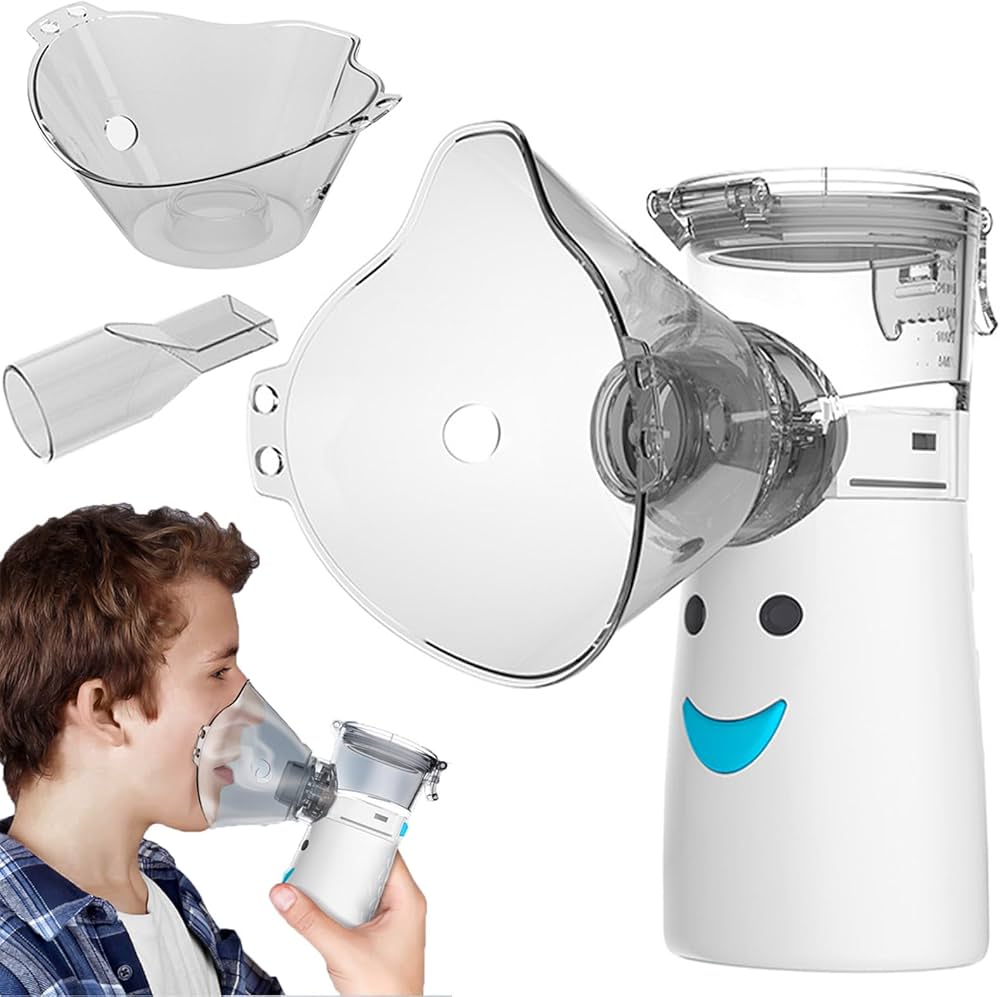
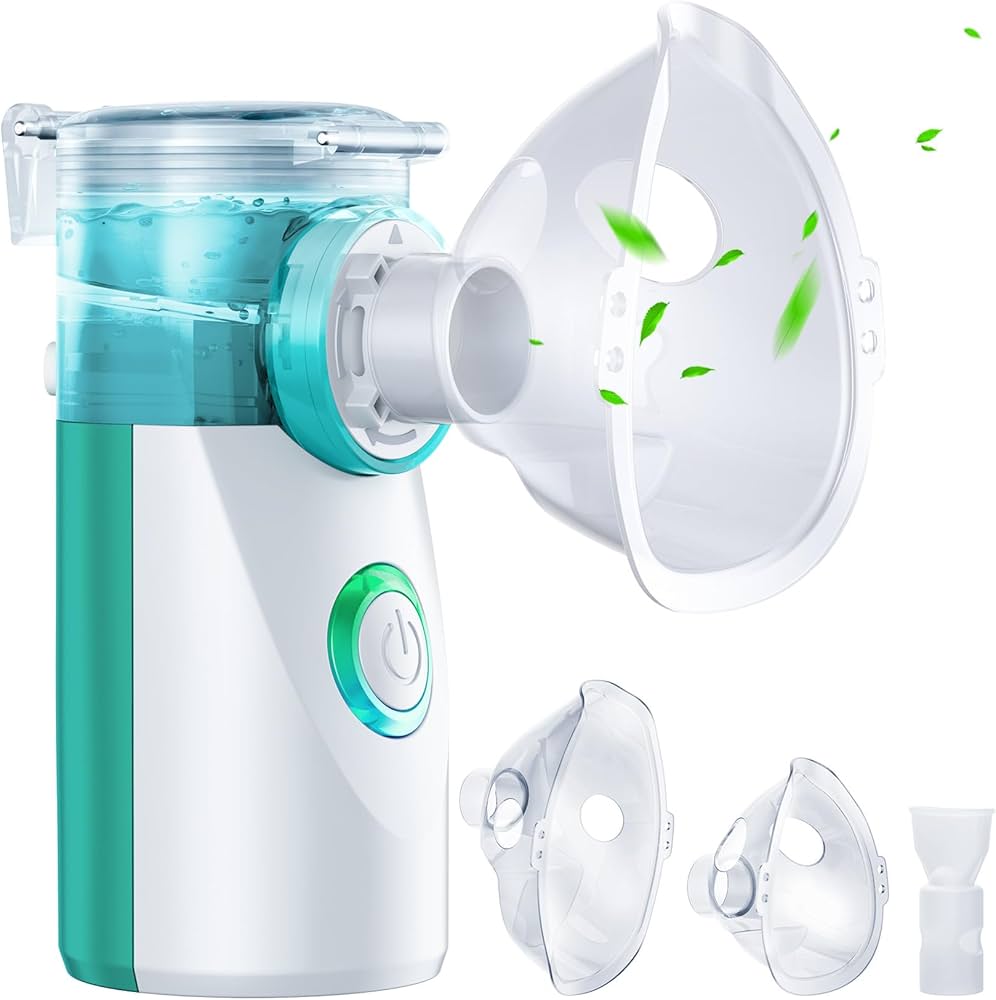
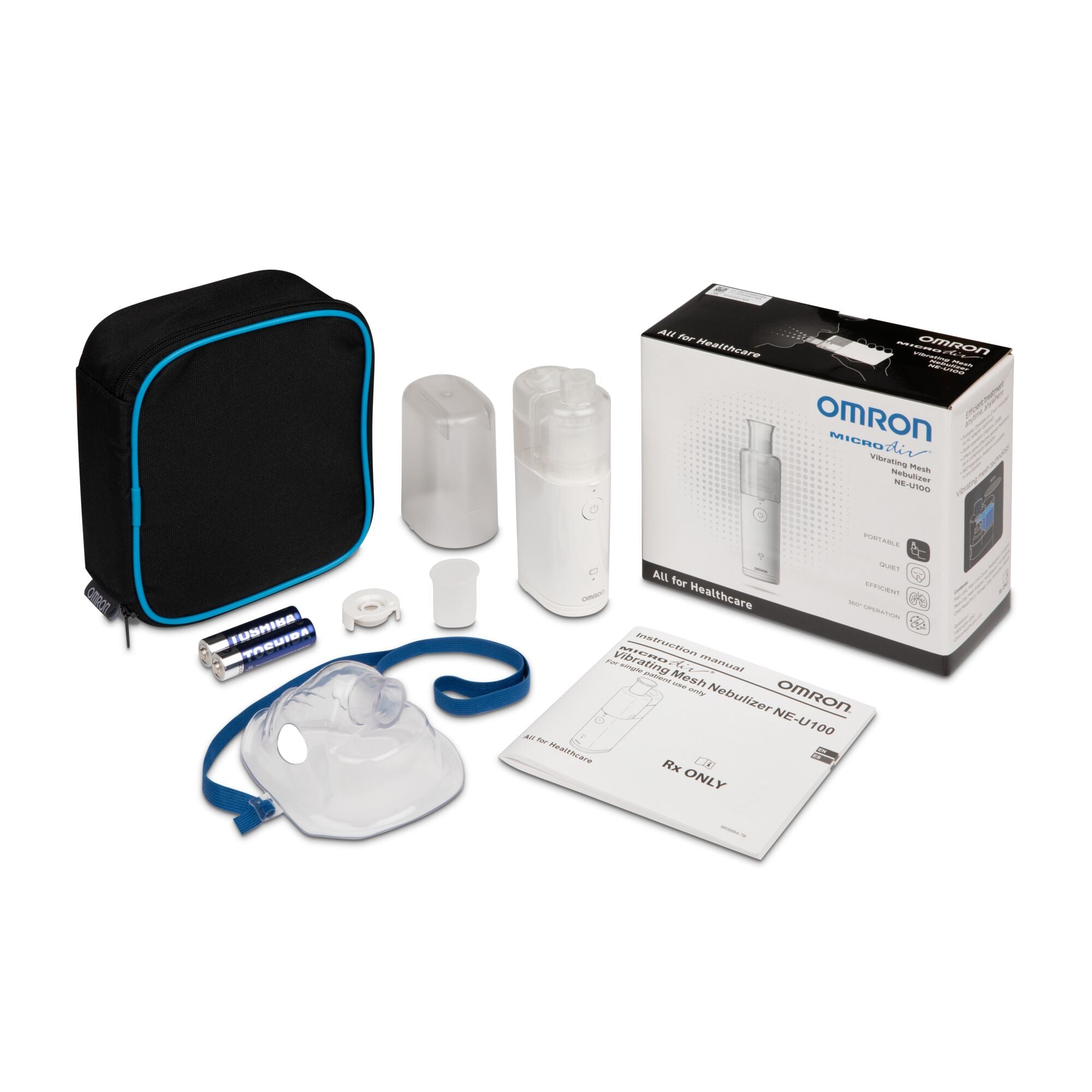
A portable mesh silent nebulizer is a compact inhalation device used to convert liquid medication into a fine aerosol mist which the patient inhales. Unlike traditional compressor nebulisers, it uses a “mesh” or vibrating membrane technology (rather than compressed air) to produce the mist.
Key attributes of the “mesh silent portable” version:
-
Portable: Lightweight, often battery- or USB-powered so it can be used away from home.
-
Mesh technology: A fine mesh or vibrating plate that atomises the liquid into very small particles.
-
Silent/quiet operation: Much less noise compared to older compressor models — beneficial for use at night or in shared space

How it works
-
You fill the medication chamber with your prescribed liquid medication.
-
The device powers up and a mesh or vibrating membrane forces the liquid through tiny holes, turning it into a mist of very small particles (often < 5 microns). You place a mouthpiece or mask on, inhale the mist, which then travels into the lungs and airways.
-
After treatment, you power off the device and perform cleaning/disinfection.
Key features to look for
-
Particle size (MMAD): Smaller particle sizes (e.g., < 5 µm) are better for reaching deeper into the lungs.
-
Nebulisation rate (how quickly the medication is converted to mist) — the faster, the shorter your session.
-
Power options: Battery-operated (rechargeable) or USB, sometimes AA batteries as backup. This gives true portability.
-
Noise level / quietness: Especially important if you’re using it at night or around children. For example: one model claims < 23 dBA.
-
Ease of use & cleaning: Fewer parts, simple operation, easy to disassemble/clean — because mesh holes can clog.
-
Suitability for age & position: Good models allow use by children/adults and allow different positions (sitting, lying) if needed.

Advantages & benefits
-
More mobile than large tabletop or compressor nebulisers — you can carry it, use on the go.
-
Quieter operation — less disruptive.
-
Often faster treatment time because mesh technology is efficient.
-
Efficient delivery: less medication wasted, more directed to lungs.
-